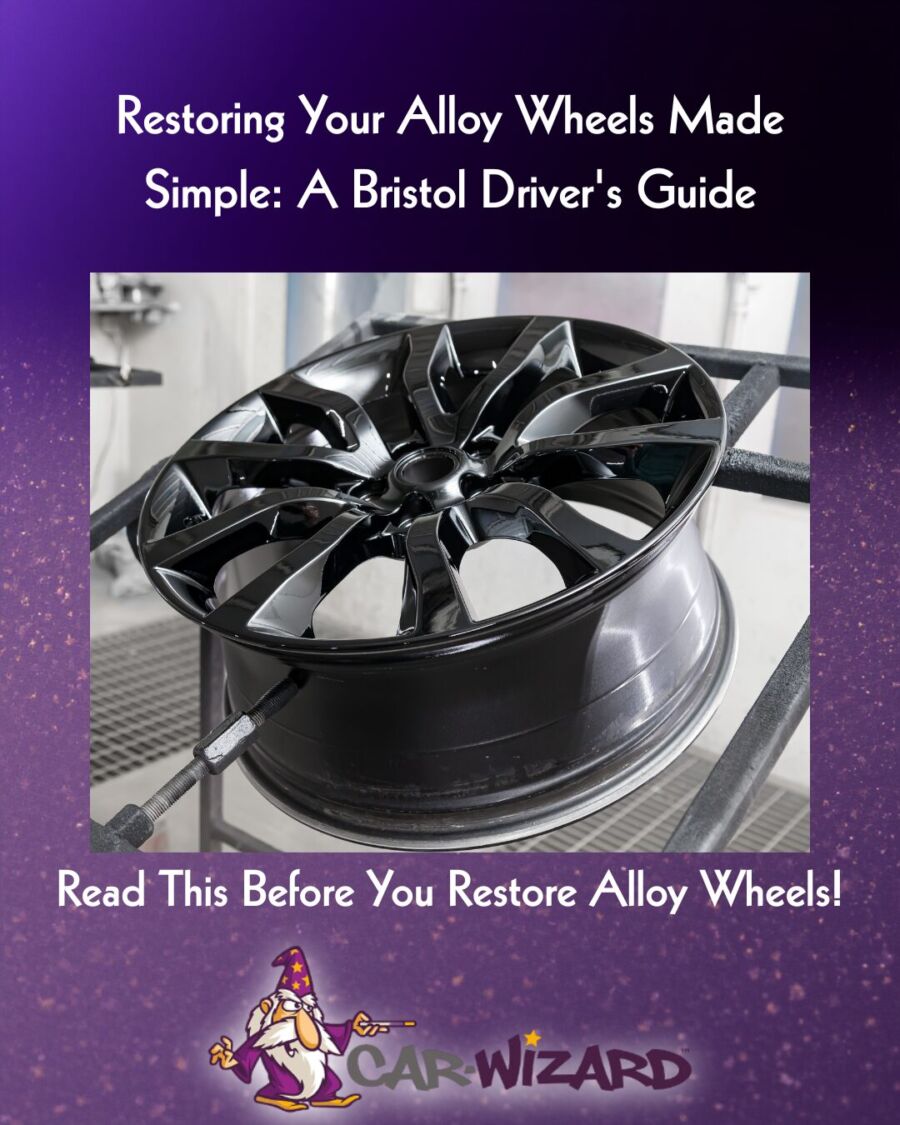
Restoring Your Alloy Wheels Made Simple: A Bristol Driver’s Guide
Whether you’ve clipped a kerb in Clifton, picked up corrosion after winter driving around Bristol, or simply want to bring your wheels back to life, alloy wheel damage is something almost every driver experiences.
The good news is that not every damaged wheel needs replacing. In many cases, professional alloy wheel restoration Bristol services can return your wheels to excellent condition while protecting their appearance, value, and longevity.
This guide explains how alloy wheel restoration works, when it makes sense, what mistakes to avoid, and how to choose the right repair solution.
Why Alloy Wheel Restoration Matters
Modern alloy wheels are designed to enhance both the appearance and performance of your vehicle. However, they’re also exposed to constant wear from:
-
Kerbs
-
Potholes
-
Road salt
-
Brake dust
-
Stone chips
-
Everyday parking damage
Even small cosmetic marks can become larger problems if left untreated. Damaged lacquer allows moisture and road salt to reach the aluminium underneath, increasing the risk of corrosion over time.
Professional alloy wheel restoration Bristol helps:
-
Improve your vehicle’s appearance
-
Maintain resale value
-
Protect against corrosion
-
Restore the original factory finish
-
Extend the life of your alloy wheels
The Advice Most Drivers Hear (And Why It Isn’t Always Enough)
Many drivers are told:
“It’s only cosmetic.”
Or:
“Buy a DIY repair kit.”
While DIY kits have their place for tiny scuffs, they’re rarely the best solution for anything more than very light damage.
Common limitations include:
-
Poor colour matching
-
Visible repair lines
-
Inadequate preparation
-
Short-lived lacquer
-
No assessment for hidden structural damage
Professional refurbishment involves far more than applying fresh paint. Correct preparation, specialist coatings and careful finishing make the biggest difference to durability.
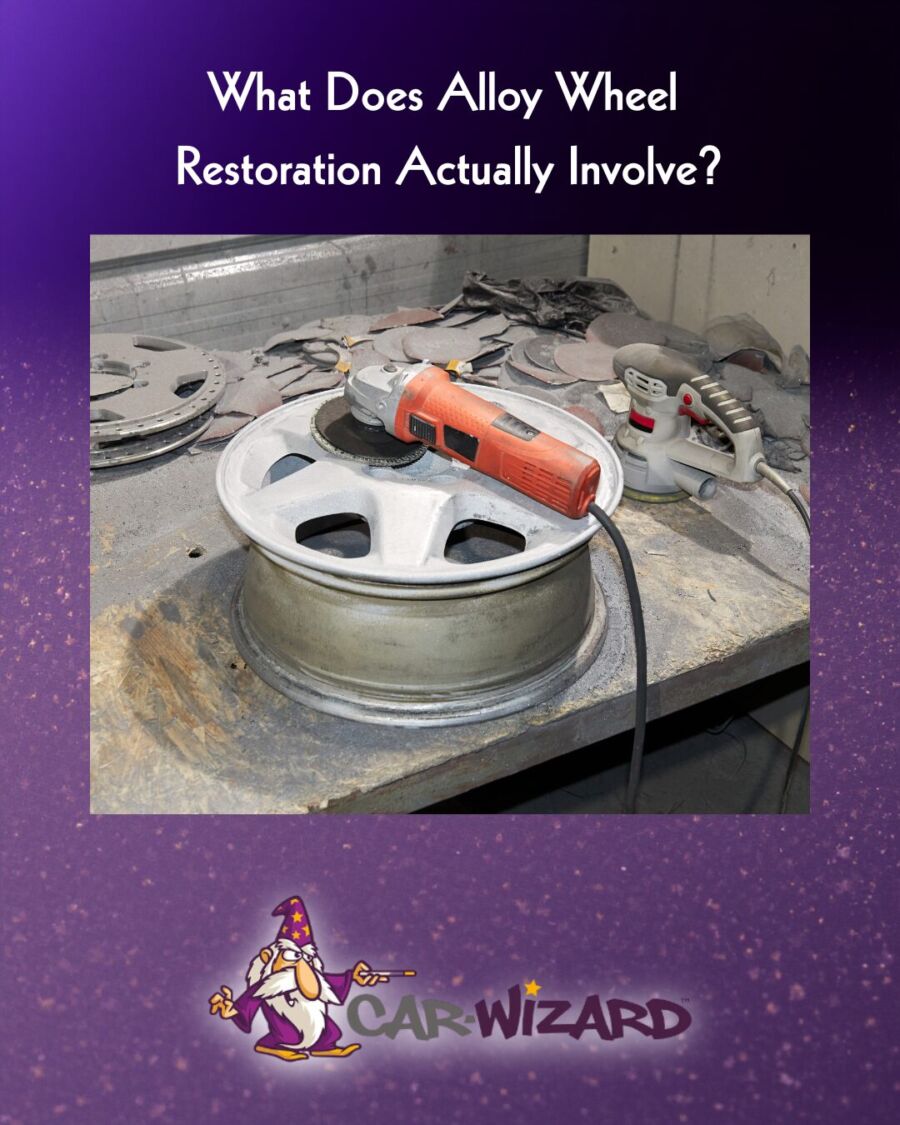
Restoration Actually Involve?
What Does Alloy Wheel Restoration Actually Involve?
A quality alloy wheel refurbishment process in Bristol usually follows several key stages.
1. Inspection
The wheel is checked for:
-
Kerb damage
-
Corrosion
-
Buckling
-
Cracks
-
Previous repairs
Not every wheel requires the same repair method.
2. Surface Preparation
Damaged areas are carefully:
-
Sanded
-
Smoothed
-
Filled where necessary
Proper preparation is what determines whether the finish lasts years or only months.
3. Colour Matching
Professional repair specialists match:
-
Gloss finishes
-
Satin finishes
-
Matte finishes
-
Manufacturer colours
A poor colour match is often the first sign of an inexpensive repair.
4. Painting & Protective Coating
High-quality coatings restore both appearance and durability.
This protects the wheel against:
-
UV fading
-
Brake dust
-
Moisture
-
Road salt
5. Final Inspection
The finished wheel is inspected to ensure the repair blends naturally with the original finish.
Cosmetic repairs often include sanding, filling, painting, and lacquering, while matching the original manufacturer’s finish wherever possible.
Common Types of Alloy Wheel Damage
Kerb Damage
The most common issue.
Fortunately, kerbed alloy wheel repair is usually straightforward when only the outer rim has been damaged.
Corrosion
Moisture beneath damaged lacquer causes bubbling and flaking paint.
Professional refurbishment removes corrosion before refinishing.
Paint Damage
Stone chips and scratches gradually expose bare alloy.
Early repairs help prevent more expensive restoration later.
Structural Damage
Buckled or cracked wheels require specialist assessment before cosmetic refurbishment begins.
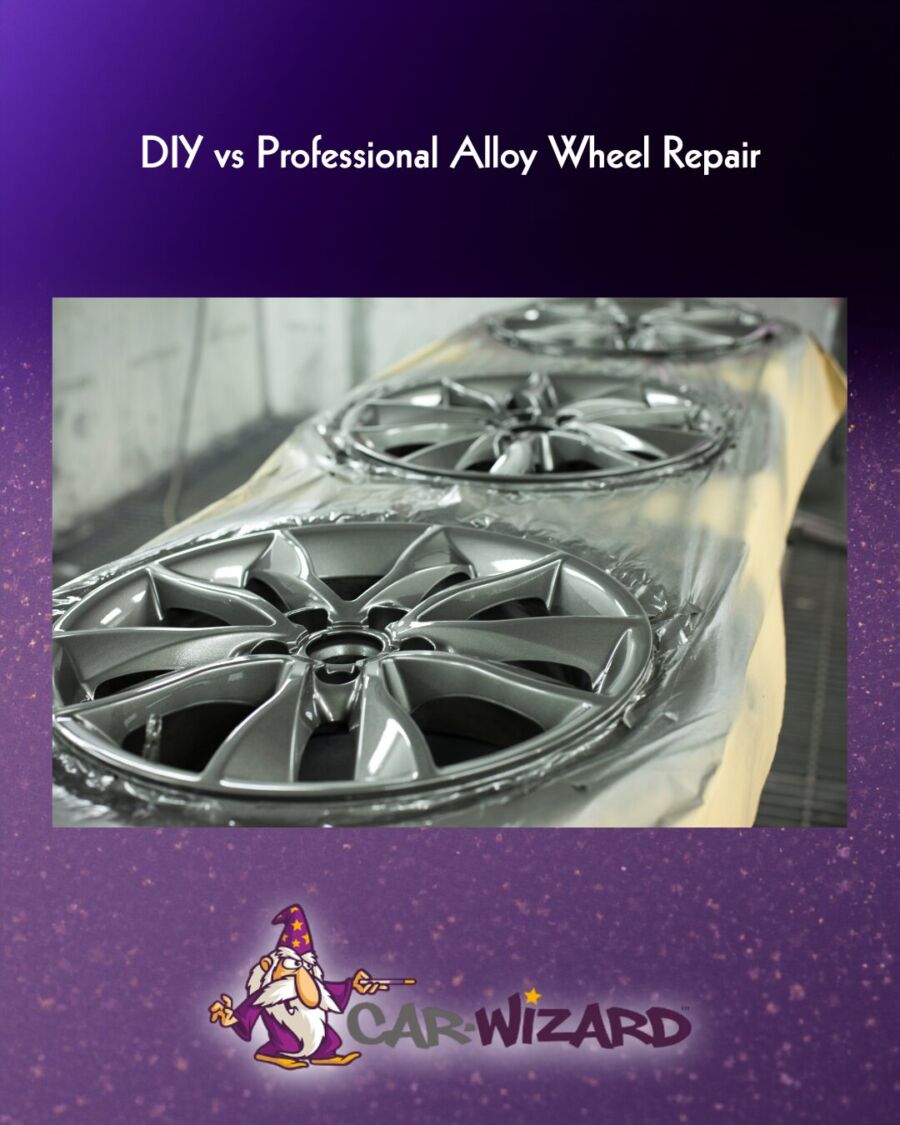
DIY vs Professional Alloy Wheel Repair
| DIY Repair | Professional Restoration |
| Suitable for very small cosmetic marks | Suitable for most cosmetic and many structural issues |
| Basic finish | Factory-quality finish |
| Limited durability | Long-lasting protection |
| Difficult colour matching | Accurate colour matching |
| No structural inspection | Full wheel assessment |
For valuable vehicles, leased cars or premium wheels, professional restoration is usually the better long-term investment.
A Situation Many Bristol Drivers Recognise
Imagine parking in Bristol city centre after a busy day.
You misjudge a tight kerb by just a few centimetres.
That scraping sound is enough to ruin your afternoon.
One of Car Wizard’s customers experienced exactly this after only two weeks of owning a new car. Following a professional repair, the wheel was restored, and the customer described the result as looking “like new.”
It’s a reminder that kerb damage happens to careful drivers too and in many cases it’s entirely repairable.
Choosing the Right Alloy Wheel Repair Specialist
When comparing providers offering alloy wheel repair Bristol, ask:
Do they inspect for structural damage?
Cosmetic repairs should never ignore potential safety issues.
Can they match the original finish?
Different manufacturers use different coatings and finishes.
Do they explain the repair process?
Good repair specialists are happy to explain exactly what they’re doing.
Choosing technicians with recognised industry training and professional standards can provide additional peace of mind. The Institute of the Motor Industry (IMI) promotes best practice, skills development and professional standards across the UK automotive repair industry.
Is there a guarantee?
Car Wizard guarantees that many alloy wheel repairs are backed by a lifetime guarantee, which gives you additional peace of mind.
When Restoration May Not Be the Right Option
Professional restoration isn’t always appropriate.
Replacement may be necessary if:
-
The wheel is severely cracked
-
Structural damage exceeds repair limits
-
Previous poor repairs have weakened the wheel
-
Manufacturer specifications cannot be safely restored
Where structural damage is suspected, the wheel should be inspected by a qualified technician before further use. The GOV.UK MOT Inspection Manual explains that damaged or insecure road wheels can result in an MOT failure if they affect the vehicle’s safety.
An experienced technician will always advise when replacement is the safer option.
Why Bristol Drivers Choose Mobile Repairs
One significant advantage is convenience.
Rather than leaving your vehicle in a body shop for several days, many cosmetic repairs can now be completed at your home or workplace.
Mobile repair services are particularly suitable for:
-
Kerbed alloy wheels
-
Minor cosmetic damage
-
Paint repairs
-
Small scuffs
However, more complex repairs such as severe buckling or specialist finishes may still require workshop facilities.
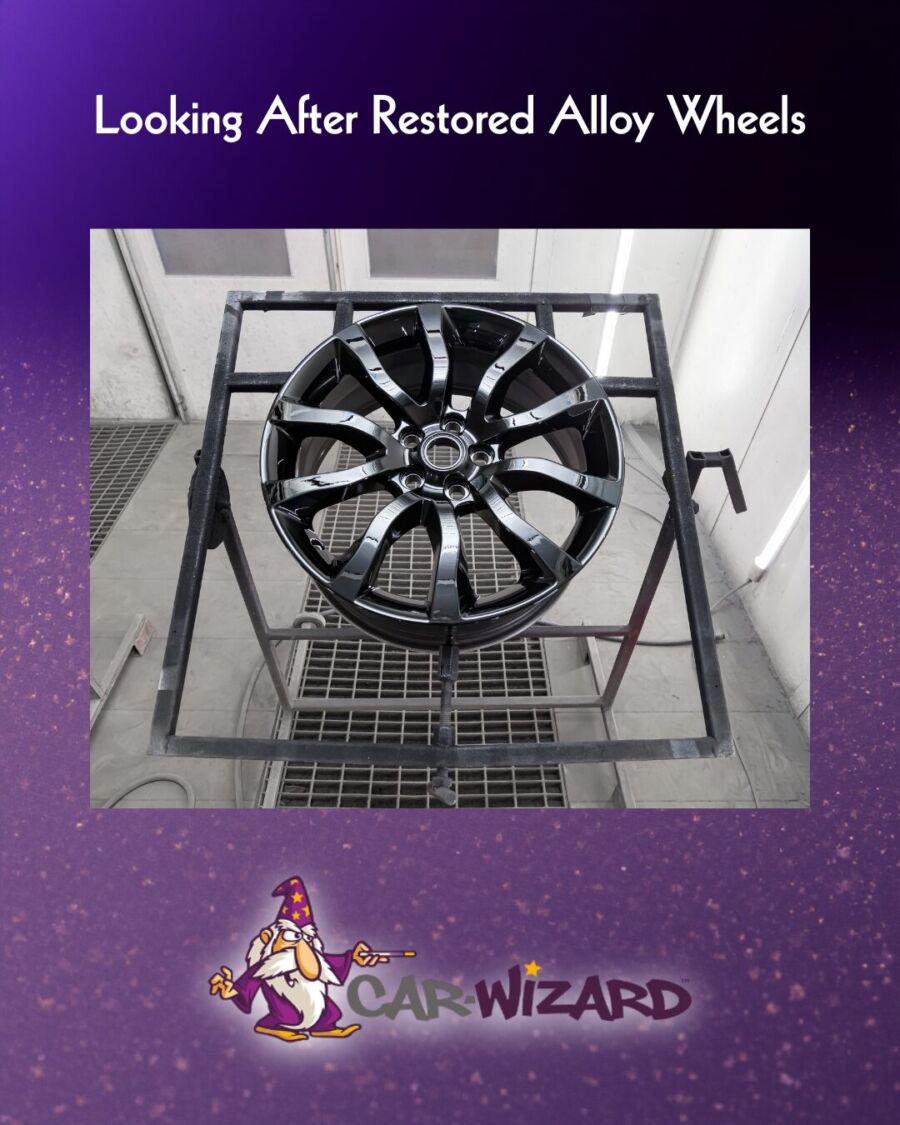
Looking After Restored Alloy Wheels
Once you’ve chosen to restore alloy wheels, a little maintenance goes a long way.
Good habits include:
-
Cleaning regularly using pH-neutral wheel cleaner
-
Removing brake dust before it builds up
-
Avoiding harsh acidic chemicals
-
Checking tyre pressures regularly
-
Taking extra care around high kerbs
Simple maintenance helps preserve the finish for longer.
Why Choose Car Wizard?
Car Wizard has built its reputation by providing SMART repair solutions throughout Bristol, Bath and the surrounding areas.
Their services include:
-
Alloy wheel repairs
-
Mobile alloy wheel repair
-
Diamond cut wheel repair
-
Powder coating
-
Wheel straightening
-
Wheel welding
-
Split rim refurbishment
The business also offers mobile repairs, helping drivers avoid the inconvenience of traditional body shop visits while maintaining professional repair standards.
Summary
Damage to alloy wheels is common, but replacing them is often unnecessary.
Professional alloy wheel restoration Bristol can restore appearance, help prevent corrosion and protect your vehicle’s value when completed using the correct techniques.
Whether your wheels have suffered light kerb damage, corrosion or cosmetic wear, understanding the repair process helps you choose the right solution rather than the cheapest one.
If you’re unsure about the condition of your wheels, speaking to an experienced specialist is usually the best first step.
Explore Car Wizard’s alloy wheel repair services or contact the team for honest advice on the most suitable repair option for your vehicle.
FAQs
Can kerbed alloy wheels be repaired?
Yes. Most cosmetic kerb damage can be professionally repaired without replacing the wheel.
How long does alloy wheel refurbishment take?
Many cosmetic repairs can be completed within a few hours, although more extensive refurbishment may take longer depending on the finish required.
Is alloy wheel restoration cheaper than replacement?
In many cases, yes. Professional refurbishment is often considerably more cost-effective than buying new manufacturer wheels.
Can corroded alloy wheels be restored?
Usually, yes. Surface corrosion can often be removed before repainting and protective lacquering.
How do I know if my alloy wheel needs replacing?
If the wheel is cracked, heavily buckled or structurally unsafe, replacement may be recommended instead of refurbishment following professional inspection.