After an Accident? A Bristol Driver’s Guide
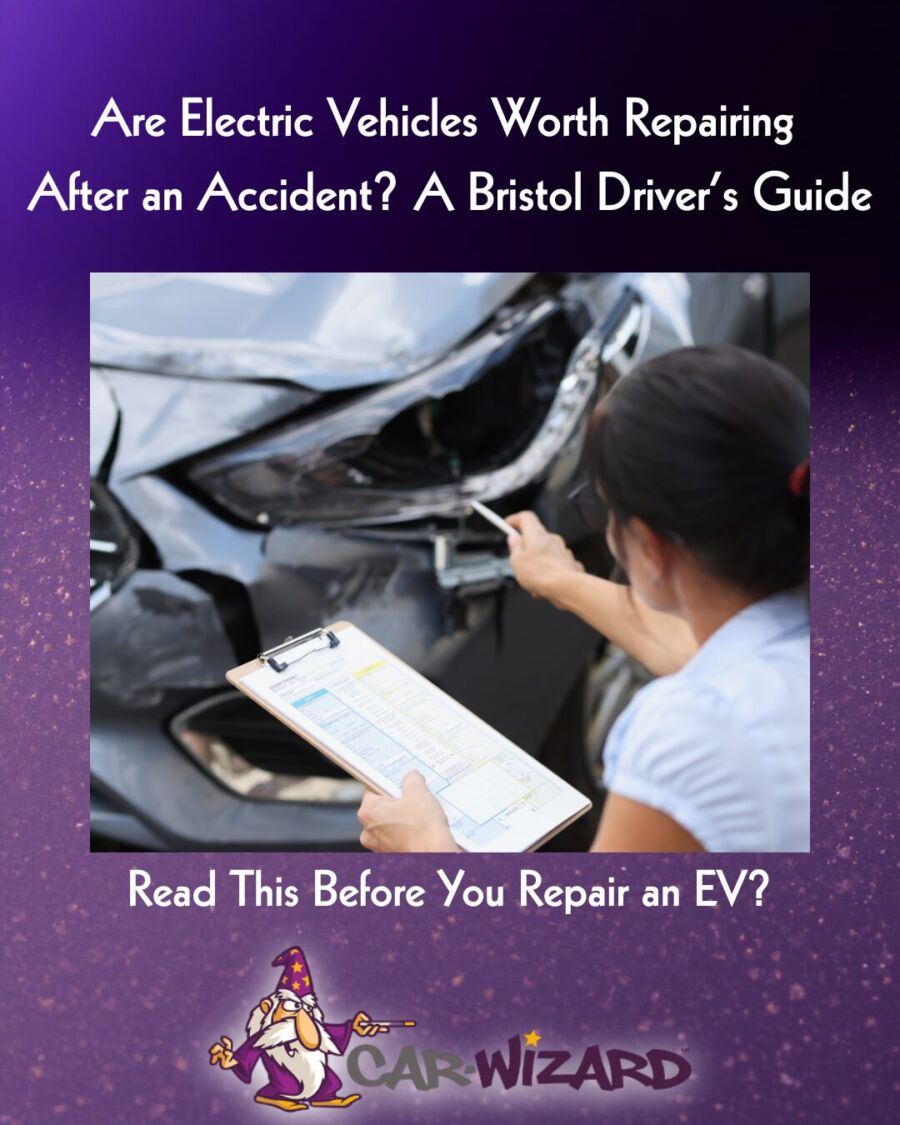
Are Electric Vehicles Worth Repairing After an Accident? A Bristol Driver’s Guide
When an electric vehicle (EV) is involved in an accident, one of the first questions many owners ask is: Is it worth repairing, or should I replace it?
Unlike traditional petrol or diesel cars, electric vehicles contain high-voltage battery systems, advanced electronics and lightweight materials that often require specialist knowledge during repairs. As EV ownership continues to grow across Bristol and the UK, understanding your options after an accident has never been more important.
The good news is that many electric vehicles are absolutely worth repairing, provided the damage is correctly assessed by qualified professionals. However, every repair should be considered carefully, taking into account the extent of the damage, the condition of the battery, repair costs and the vehicle’s overall value.
In this guide, we’ll explain how accident repairs differ for electric vehicles, dispel some common myths, and help you make an informed decision if your EV has been damaged.
Why Repairing an Electric Vehicle Is Different
At first glance, repairing an electric vehicle may seem similar to repairing any other car. Cosmetic damage such as scratches, dents or bumper scuffs often requires the same body repair techniques.
However, beneath the surface, EVs introduce additional considerations.
These include:
-
High-voltage battery systems
-
Electrical isolation procedures
-
Advanced driver assistance systems (ADAS)
-
Specialist cooling systems
-
Manufacturer-approved repair processes
Even relatively minor collisions can require inspections beyond the visible damage. That’s why it’s important to choose a repairer with experience handling hybrid and electric vehicles safely.
Learn more about Car Wizard’s expertise in Hybrid & EV Repairs.
The Advice Most Drivers Hear
Many people are told:
“If an electric car has been in an accident, it’s probably not worth repairing.”
While understandable, this advice is often outdated.
Years ago, replacement batteries were expensive, specialist repair centres were limited, and insurers frequently wrote off damaged EVs due to uncertainty.
Today’s situation is very different.
Repair techniques have improved considerably, technicians receive dedicated EV training, and manufacturers have developed detailed repair procedures for modern electric vehicles.
As a result, thousands of EVs are successfully repaired every year rather than being unnecessarily replaced.
The key is ensuring the vehicle receives a proper assessment rather than making assumptions based purely on the fact that it’s electric.
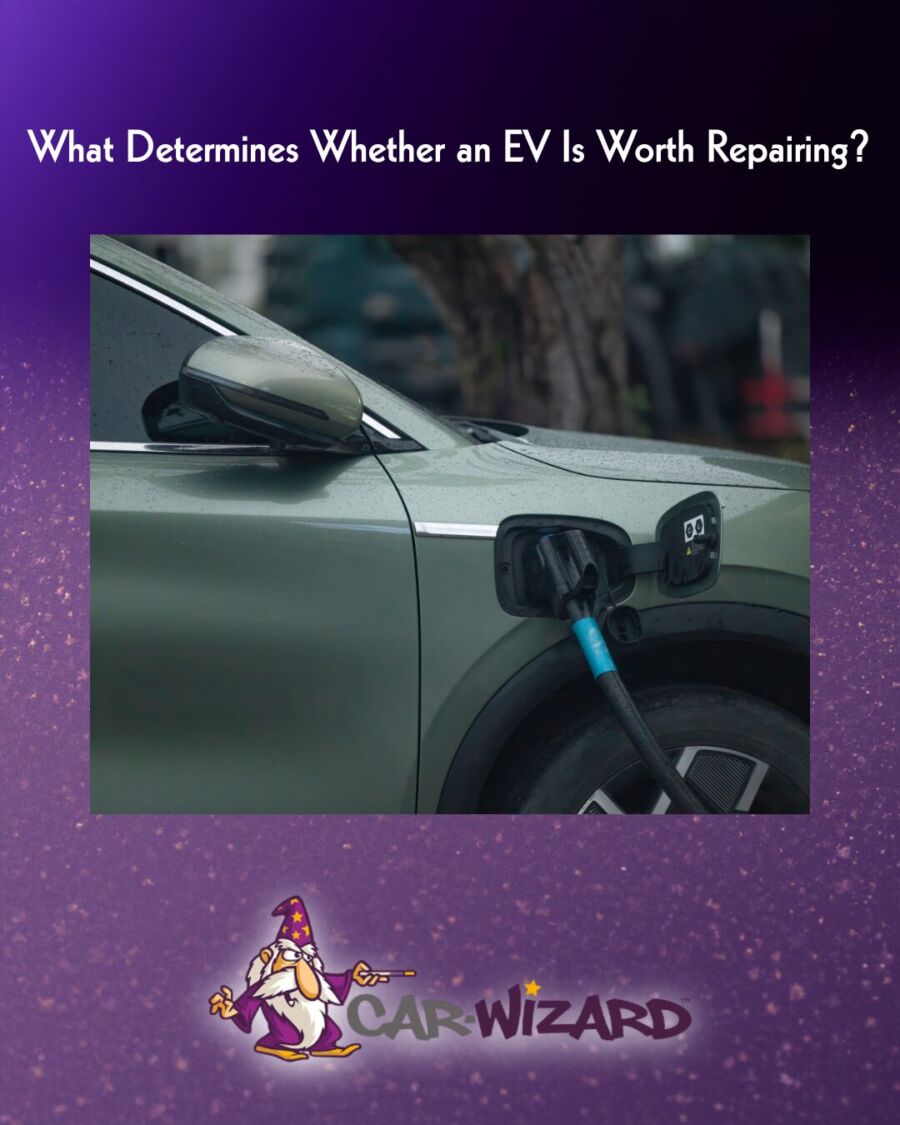
What Determines Whether an EV Is Worth Repairing?
Battery Condition
The battery is naturally the biggest concern.
Fortunately, many accidents never damage the battery pack at all.
Following an impact, technicians can inspect:
-
Battery casing
-
Mounting points
-
Cooling systems
-
High-voltage connectors
-
Battery management systems
If the battery remains structurally sound, repairs are often far more economical than many owners expect.
Extent of Body Damage
Modern electric vehicles frequently use aluminium, high-strength steel and composite materials.
Specialist body repair equipment ensures damaged panels can often be repaired or replaced without compromising vehicle safety.
Common repairable damage includes:
-
Bumper damage
-
Wing repairs
-
Door repairs
-
Scratches
-
Parking damage
-
Alloy wheel damage
-
Minor accident damage
Many of these repairs have little or no impact on the electrical components of the vehicle.
Explore our Car Body Repair Services:
Vehicle Value
Repair costs should always be compared against:
-
Current market value
-
Insurance settlement
-
Vehicle age
-
Mileage
-
Battery health
-
Future resale value
A relatively new EV with minor collision damage is often well worth repairing.
Conversely, severe structural damage combined with an older vehicle may make replacement the better financial option.
Availability of Parts
As more EVs enter the UK market, manufacturers continue to improve the availability of genuine replacement parts.
Many repairs that once required lengthy waiting periods can now be completed far more quickly than in previous years.
Common EV Accident Repairs
Not every accident results in extensive repairs.
Some of the most common work carried out on electric vehicles includes:
Bumper Repairs
Low-speed impacts frequently damage front or rear bumpers without affecting the battery.
Professional repair techniques can often restore the bumper while maintaining manufacturer standards.
Dent Removal
Shopping trolley dents, car park knocks and minor collisions remain common regardless of whether the vehicle is electric.
Paint Repairs
Scratches, stone chips and paint damage can usually be repaired using modern colour-matching systems.
Alloy Wheel Refurbishment
Kerbed alloy wheels are one of the most common repairs for EV owners, particularly as many electric vehicles use larger wheels.
A Real-World Scenario
Imagine a Bristol driver returning to their parked electric vehicle after work to find another motorist has reversed into the rear bumper.
Their first reaction is panic.
“Have they damaged the battery?”
After a professional inspection, technicians confirm the battery is completely unaffected. The damage is limited to the bumper, parking sensors and paintwork.
Within a short time, the vehicle is restored to manufacturer standards, saving the owner the high cost and inconvenience of replacing the car.
Situations like this are far more common than many people realise and demonstrate why a proper assessment should always come before deciding whether an EV is beyond repair.
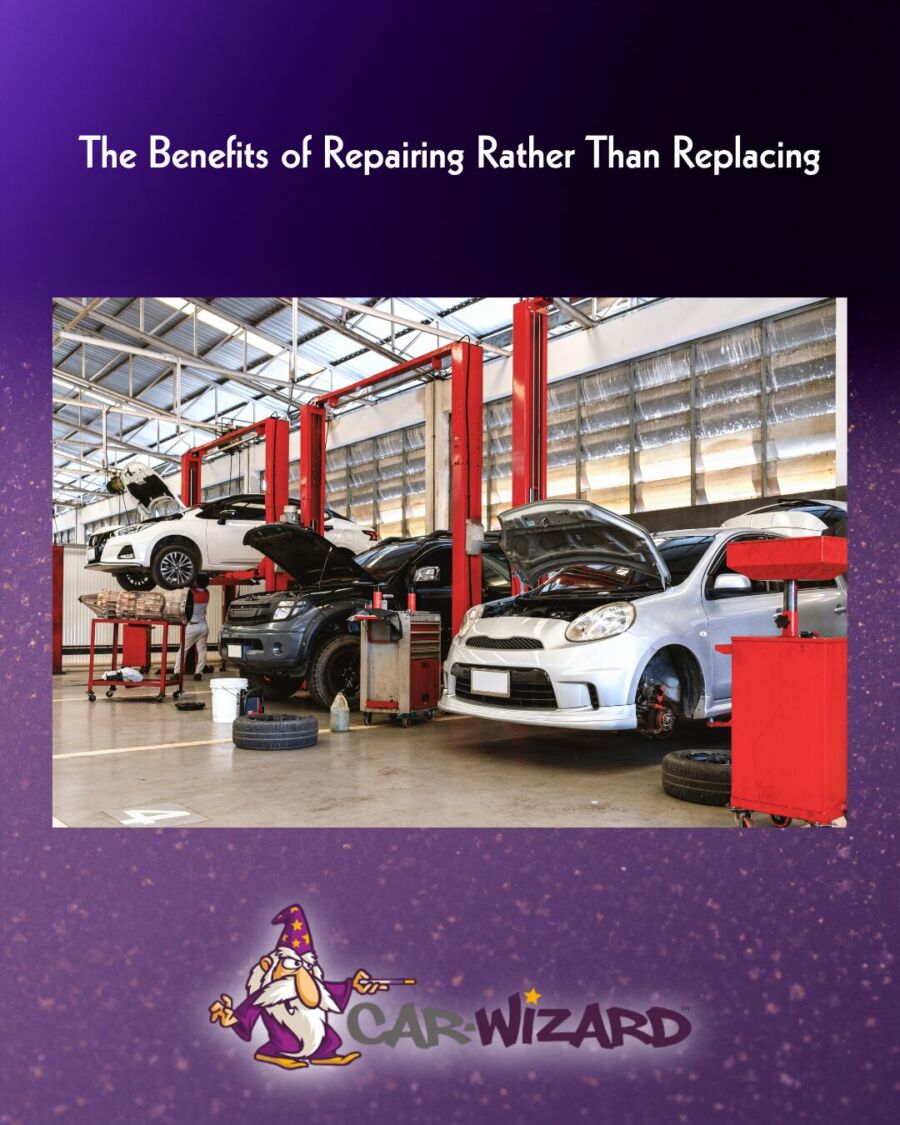
The Benefits of Repairing Rather Than Replacing
Where appropriate, repairing your electric vehicle can offer several advantages.
Lower Overall Cost
Repairs are often significantly less expensive than purchasing another vehicle, particularly when only cosmetic or structural body damage is involved.
Retain a Vehicle You Know
If your EV has served you well, repairing it allows you to keep a vehicle with a known service history and battery condition.
Environmental Benefits
Repairing rather than replacing reduces waste and extends the lifespan of valuable materials already used in manufacturing.
According to the UK Government’s Office for Zero Emission Vehicles (OZEV), extending the useful life of electric vehicles supports wider sustainability goals by reducing the need for additional manufacturing and resource consumption.
Maintain Resale Value
High-quality repairs carried out using recognised procedures help preserve your vehicle’s value compared with leaving damage untreated.
While many EVs are worth repairing, there are situations where replacement deserves consideration.
These include:
-
Severe battery damage
-
Extensive structural deformation
-
Flood damage affecting electrical systems
-
Repair costs approaching or exceeding market value
-
Insurance total loss decisions
A trustworthy repair specialist will explain these factors honestly rather than recommending unnecessary work.
When Repair May Not Be the Best Option
While many EVs are worth repairing, there are situations where replacement deserves consideration.
These include:
-
Severe battery damage
-
Extensive structural deformation
-
Flood damage affecting electrical systems
-
Repair costs approaching or exceeding market value
-
Insurance total loss decisions
A trustworthy repair specialist will explain these factors honestly rather than recommending unnecessary work.
Why Choosing the Right Repair Centre Matters
Electric vehicles require specialist knowledge.
Technicians should understand:
-
High-voltage safety procedures
-
Vehicle isolation
-
Manufacturer repair methods
-
ADAS calibration
-
Safe battery handling
Choosing an experienced accident repair specialist helps ensure repairs are completed safely while protecting the integrity of the vehicle.
Learn more about Car Wizard and our commitment to quality repairs:
https://www.car-wizard.co.uk/
Why Bristol EV Owners Choose Car Wizard
As electric vehicle ownership continues to grow across Bristol, choosing a repairer with the right expertise becomes increasingly important.
At Car Wizard, we understand that no two accident repairs are the same.
Every vehicle receives a careful assessment before repair recommendations are made, ensuring owners receive clear, honest advice based on the condition of their vehicle rather than assumptions.
Whether you’ve experienced:
Our experienced team can advise on the most appropriate repair solution.
Our goal is always to restore your vehicle safely, professionally and cost-effectively wherever possible.
Frequently Asked Questions
Can electric vehicles be repaired after an accident?
Yes. Many electric vehicles can be safely repaired after an accident, provided the damage is properly assessed and appropriate repair procedures are followed.
Does every accident damage the battery?
No. In many cases, collision damage affects only the exterior bodywork while the battery remains completely intact.
Are EV repairs more expensive?
Some repairs may require additional inspections or specialist procedures, but cosmetic body repairs are often comparable to those on conventional vehicles.
Should I trust an independent repair specialist?
Yes, provided they have the appropriate knowledge, equipment and experience to repair electric and hybrid vehicles safely.
Final Thoughts
So, are electric vehicles worth repairing after an accident?
In many cases, the answer is yes.
Modern electric vehicles are designed with safety in mind, and many accident repairs involve bodywork or cosmetic damage rather than the battery itself. A professional assessment is the best way to determine whether repairing your vehicle is the right decision.
At Car Wizard, we help Bristol drivers understand their options with honest advice, high-quality workmanship and specialist experience in accident body repairs for both conventional and electric vehicles.
If your EV has been damaged, don’t assume it’s beyond repair. Contact Car Wizard for an expert assessment and discover the most practical, safe and cost-effective solution for getting back on the road.