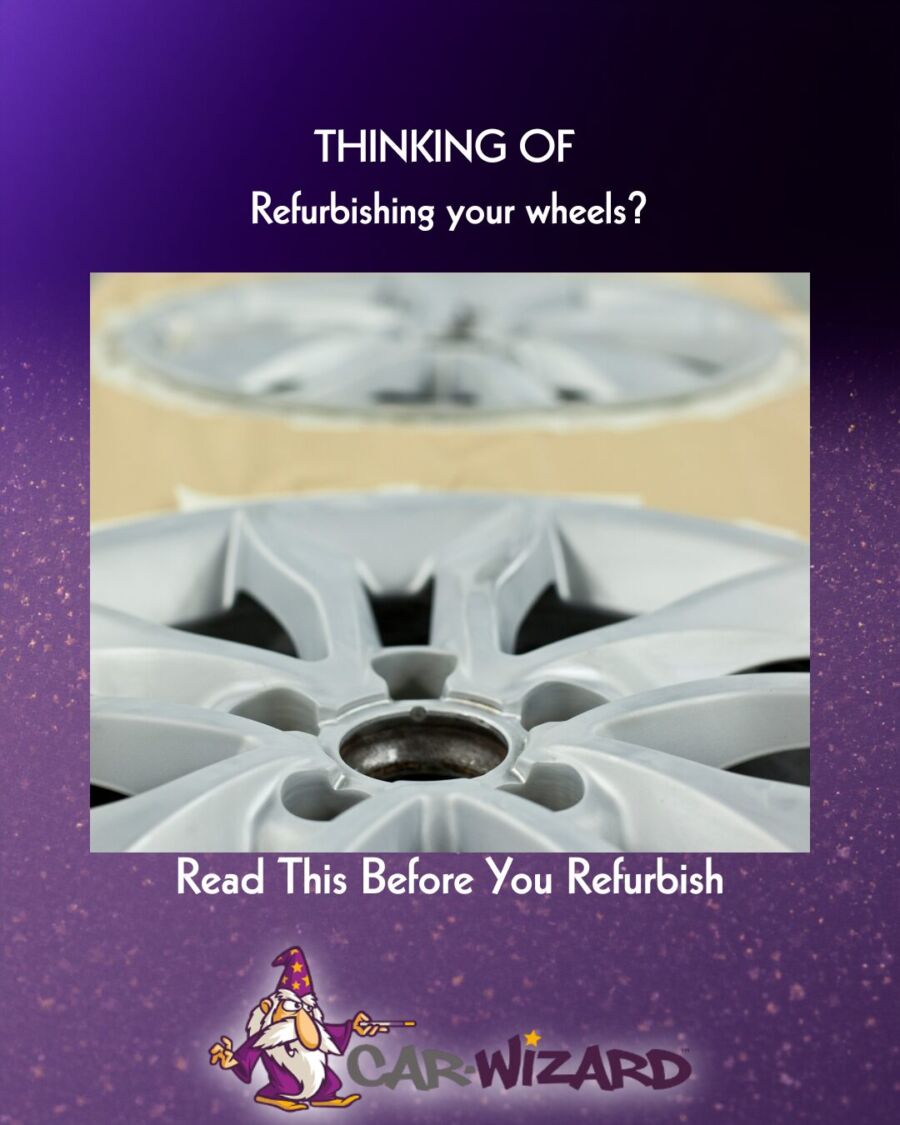
Refurbishing your wheels?
How Is a Wheel Refurbishment Carried Out?
If your alloy wheels are marked by kerb damage, flaking lacquer, corrosion or general cosmetic wear, it is natural to wonder: how is a wheel refurbishment carried out?
For many motorists in Bristol, wheels are one of the first parts of a vehicle to show age. Even when the car itself is well cared for, everyday driving, tight parking spaces and road debris can leave alloys looking tired.
That affects more than appearance. Damaged finishes can expose bare metal, which may allow corrosion to develop over time.
A professional wheel refurbishment restores the finish, improves appearance and can help protect the wheel from further deterioration.
In most cases, the process involves inspection, tyre removal, stripping, sanding, corrosion removal, refinishing, lacquer application, curing and balancing before the wheel goes back on the vehicle.
That is the short answer.
The more useful question is what actually happens during the refurbishment process, what quality looks like, and whether it is worth doing.
The Common Advice and Why It Often Misses the Point
A lot of people hear something like:
“They just sand it down and repaint it.”
That is not entirely wrong, but it is not entirely right.
A proper wheel refurbishment process is more than surface touch-up work.
The quality of the result depends heavily on:
-
how thoroughly the wheel is inspected
-
whether corrosion is fully removed
-
whether tyres are removed first
-
preparation of the metal surface
-
the quality of powder coating or paint
-
curing temperature and finish control
A quick cosmetic repair can improve appearance for a while. A full professional refurbishment usually aims for longer-lasting protection and a more even finish.
That difference matters.
How Is a Wheel Refurbishment Carried Out? Step by Step
1. Initial wheel inspection
The process starts with inspection.
A technician will assess:
-
kerb damage
-
scratches
-
corrosion
-
lacquer peeling
-
impact damage
-
structural issues such as bends or cracks
This is important because not every wheel is suitable for cosmetic refurbishment.
If structural damage is found, repair options may differ.
The Motor Ombudsman notes that wheel condition should be properly assessed before cosmetic work is carried out. See The Motor Ombudsman.
2. Tyre removal
In professional refurbishment, the tyre is usually removed from the wheel.
That allows proper access to:
-
wheel edges
-
inner lips
-
bead seating areas
-
hidden corrosion
Without tyre removal, it is harder to produce a consistent finish.
This also allows valve replacement where required.
3. Stripping the old finish
The existing coating is removed.
Depending on wheel type and condition, this may involve:
-
chemical stripping
-
media blasting
-
specialist mechanical preparation
This stage removes:
-
old paint
-
lacquer
-
oxidation
-
contaminants
A clean substrate is essential. If old layers remain, the new finish can fail prematurely.
4. Corrosion removal and sanding
Once stripped, the bare alloy is carefully prepared.
This stage typically includes:
-
sanding
-
smoothing kerb damage
-
levelling minor imperfections
-
corrosion removal
This part often determines how good the final wheel looks.
Deep gouges or severe corrosion may require more involved preparation. In some cases, not every mark can be removed completely without compromising material thickness.
That is where realistic expectations matter.
A Real-World Example
A driver from North Bristol brought in a lease vehicle before the hand-back.
The front wheels had visible kerb damage, and one rear wheel showed bubbling lacquer around the rim edge. At first glance, it looked minor.
Once the tyres came off, early corrosion was visible under the lacquer.
Because that was caught early, the wheels were fully stripped, prepared and refinished properly.
The result was not just cosmetic; it prevented the corrosion from worsening and helped the car present much better at the return inspection.
That is often where proper refurbishment proves its value.
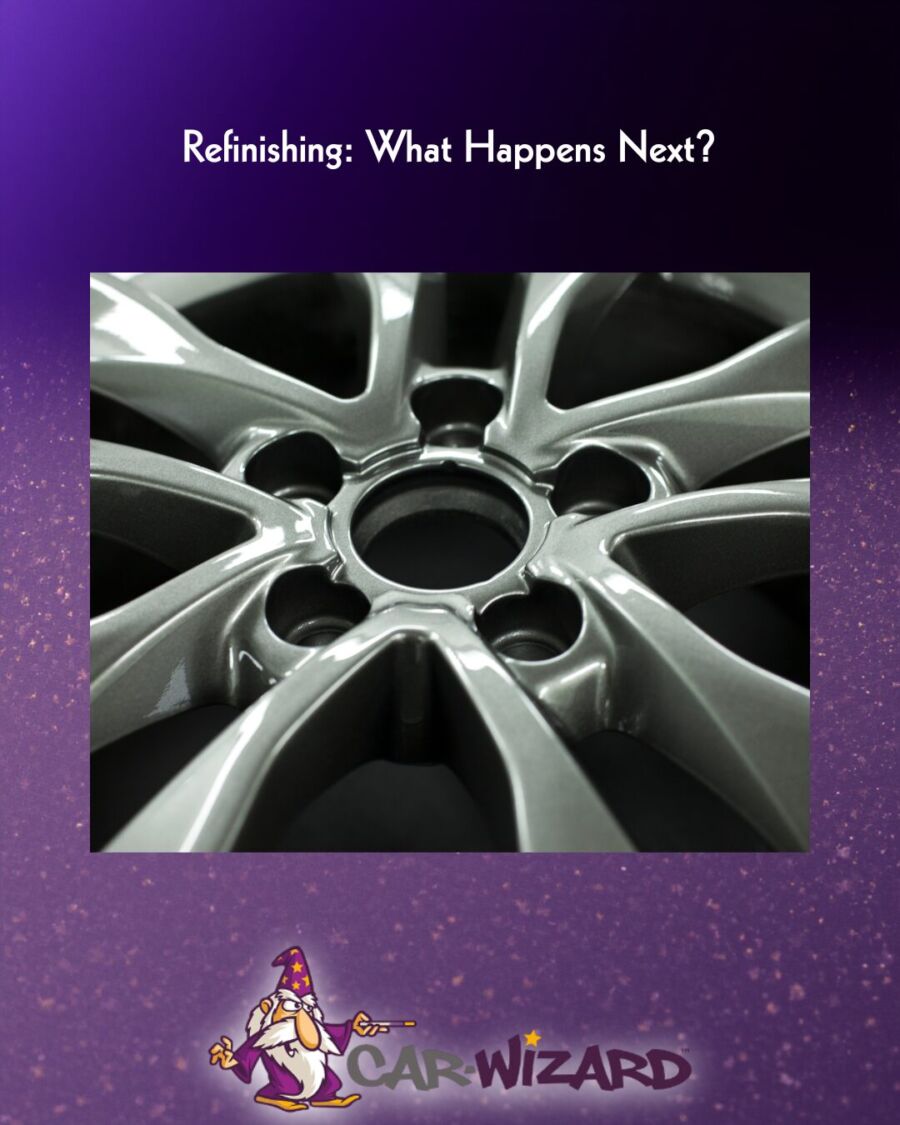
Refinishing: What Happens Next?
Powder-coated wheel refurbishment
For many standard painted alloys, powder-coated wheel refurbishment is common.
The prepared wheel receives an electrostatically applied powder coating. It is then baked so the coating cures and bonds to the metal.
Benefits can include:
-
even coverage
-
durability
-
resistance to everyday wear
-
strong finish consistency
This is a widely used professional method.
The British Coatings Federation provides broader technical guidance on coating systems and surface preparation. See British Coatings Federation.
Diamond cut wheel refurbishment.
Diamond cut wheel refurbishment uses a different process.
After preparation, the wheel is mounted on a lathe. A very fine layer of metal is cut from the face to create the bright, machined finish.
A lacquer layer is then applied for protection.
This finish often looks sharper and more reflective.
However, there are practical considerations:
-
Only a limited amount of metal can be removed
-
Not every damaged wheel is suitable
-
Repeated diamond cutting may eventually become impractical
That is one reason inspection matters first.
Lacquer application
Lacquer protects the finished surface.
It helps defend against:
-
moisture
-
salt
-
oxidation
-
general environmental exposure
A poor lacquer application can lead to premature peeling or bubbling.
This stage is often where the difference between a quick cosmetic repair and professional work becomes visible months later.
Curing process
After finishing, the wheel goes through curing.
This allows the coating or lacquer to harden properly.
The curing process affects:
-
durability
-
adhesion
-
finish quality
Rushing this stage can compromise long-term results.
Final Steps Before Refitting
Tyre refitting and balancing
Once cured, the tyre is refitted.
The wheel is then balanced.
Balancing matters because tyre removal and refitting can affect weight distribution.
A properly finished wheel should not only look right, but it should perform correctly on the road.

How Long Does Wheel Refurbishment Take?
A common question is: how long does wheel refurbishment take?
That depends on:
-
number of wheels
-
severity of damage
-
finish type
-
workshop capacity
-
whether diamond cutting is required
For standard cosmetic refurbishment, many professional workshops can complete work within one to three days.
More specialised work may take longer.
A reputable provider will usually explain the expected turnaround before starting.
Can Scuffed Alloy Wheels Be Repaired?
In many cases, yes.
Typical issues that can often be addressed include:
-
kerb scuffs
-
surface scratches
-
lacquer peeling
-
cosmetic corrosion
-
general wear
However, severe structural damage is different.
Cracks, significant bends or heavy impact damage may require repair assessment or replacement rather than standard cosmetic refurbishment.
That is why inspection comes first.
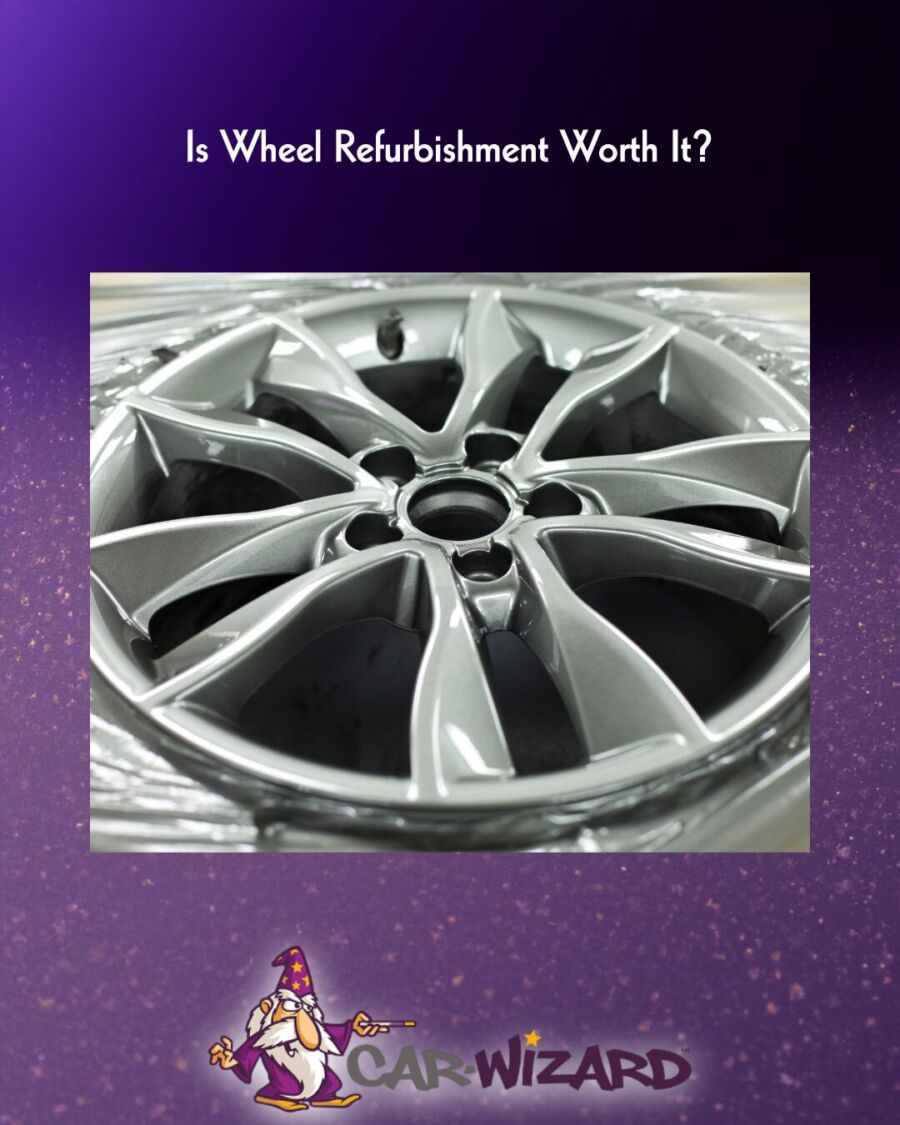
Is Wheel Refurbishment Worth It?
For many drivers, yes, especially when:
-
maintaining vehicle appearance
-
preparing for sale
-
returning a leased vehicle
-
preventing worsening corrosion
-
improving overall presentation
A tidy set of alloys can materially improve how a vehicle looks.
For many owners, it is one of the most noticeable cosmetic upgrades available.
When Refurbishment May Not Be the Right Choice
Balanced advice matters.
Refurbishment may not always be the best option if:
-
The wheel has severe structural damage
-
Corrosion is extensive and deep
-
Repeated diamond cutting has already removed too much material
-
Replacement is more economical
A trustworthy workshop should explain this clearly.
That is often a good sign of professional judgement.
Choosing Professional Wheel Refurbishment in Bristol
If you are considering alloy wheel refurbishment Bristol, it helps to ask:
-
Are tyres removed during the process?
-
Is corrosion fully stripped back?
-
Is balancing included?
-
Is the finish powder-coated or diamond cut?
-
Is the workshop experienced with your wheel type?
An experienced provider such as CAR WIZARD can help explain what is realistic for your wheels and what outcome you should expect.
Final Thoughts
So, how is a wheel refurbishment carried out?
In professional terms, it usually involves:
inspection → tyre removal → stripping → sanding → corrosion removal → refinishing → lacquer → curing → balancing
That process does more than improve appearance.
When done properly, it helps protect the wheel, extend the finish life, and restore the overall presentation of the vehicle.
If your alloys are marked, scuffed or beginning to show corrosion, learning what is actually involved helps you make a better decision.
To understand what is realistic for your wheels, explore refurbishment options or speak with CAR WIZARD about the right approach for your vehicle.
FAQs
How long does wheel refurbishment take?
Most standard alloy wheel refurbishment work takes around one to three days, depending on damage and finish type.
Can kerb damage wheel repair restore the original look?
In many cases, yes. Light to moderate kerb damage can often be repaired successfully with proper preparation and refinishing.
Is powder-coated wheel refurbishment better than painting?
Powder coating is commonly chosen for its durability, consistency and resistance to everyday wear.
Can diamond-cut wheels be refurbished more than once?
Sometimes, but only a limited amount of material can be removed each time.
How much does wheel refurbishment cost in Bristol?
Costs vary depending on wheel size, finish type, severity of damage and whether diamond cutting is required. A workshop inspection usually gives the most accurate quote.