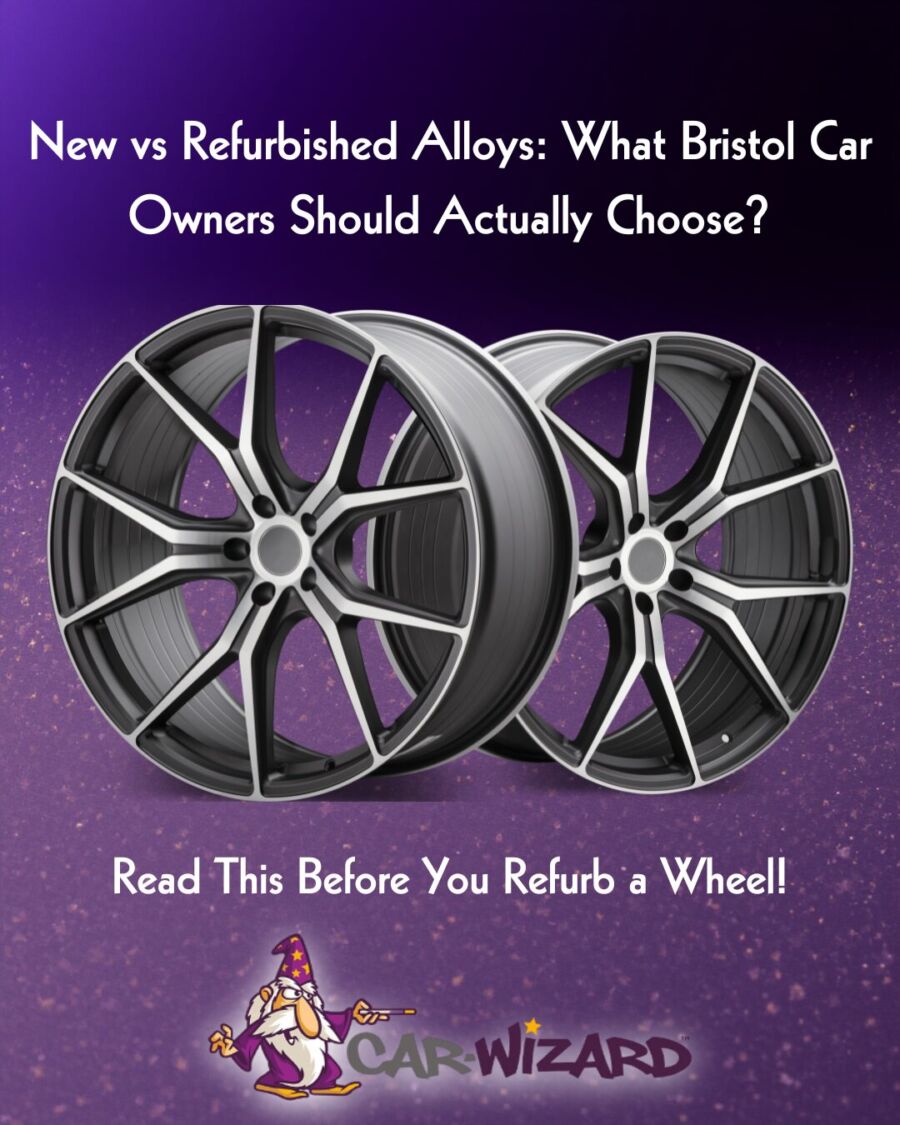
New vs Refurbished Alloy Wheels: Bristol Guide
Alloy wheels take more abuse than most drivers realise.
From Bristol potholes and kerb damage to brake dust, winter salt, and daily wear, even premium alloys can quickly lose their finish or become damaged over time. When that happens, many car owners face the same question:
Should you buy brand-new alloy wheels or choose refurbished alloys instead?
The answer is not always straightforward.
While some garages immediately recommend replacement, refurbished alloy wheels can often provide a more cost-effective and environmentally sensible solution, depending on the condition of the wheel and the type of finish required.
For Bristol drivers trying to balance appearance, safety, cost, and long-term value, understanding the difference between new vs refurbished alloys matters more than ever.
In this guide, we explain:
-
The real differences between new and refurbished alloy wheels
-
When refurbishment is the smarter option
-
When replacement is unavoidable
-
Common myths around alloy wheel repair
-
What Bristol drivers should consider before spending money
Whether you drive a daily commuter, performance car, lease vehicle, or family SUV, making the right decision can save significant money while keeping your vehicle safe and looking its best.
What Are Refurbished Alloy Wheels?
Refurbished alloy wheels are existing wheels that have been professionally repaired, restored, and refinished to improve appearance and, where necessary, correct minor damage.
A professional alloy wheel refurbishment Bristol service may include:
-
Kerb damage repair
-
Surface preparation
-
Corrosion removal
-
Powder coating
-
Diamond cut alloy refurbishment
-
Lacquer application
-
Structural inspection
The goal is to restore the wheel’s appearance and protective finish without requiring complete replacement.
In many cases, refurbished alloys can look extremely close to factory-new condition.
The Common Advice Drivers Hear And Why It’s Often Incomplete
Many drivers are told:
-
“Just replace the wheel”
-
“Refurbished alloys never last”
-
“Repairs are only cosmetic”
-
“New wheels are always safer”
While replacement is sometimes necessary, this advice can oversimplify the situation.
In reality:
-
Many alloy wheels suffer only cosmetic damage
-
Professional refurbishment can restore both appearance and durability
-
Modern powder-coated alloy wheels are often highly resilient
-
Replacement costs for OEM wheels can be extremely high
Some garages recommend replacement because it is faster or more profitable rather than genuinely necessary.
The better approach is understanding:
-
The severity of the damage
-
Whether structural integrity is affected
-
The age and finish of the wheel
-
Your long-term ownership plans
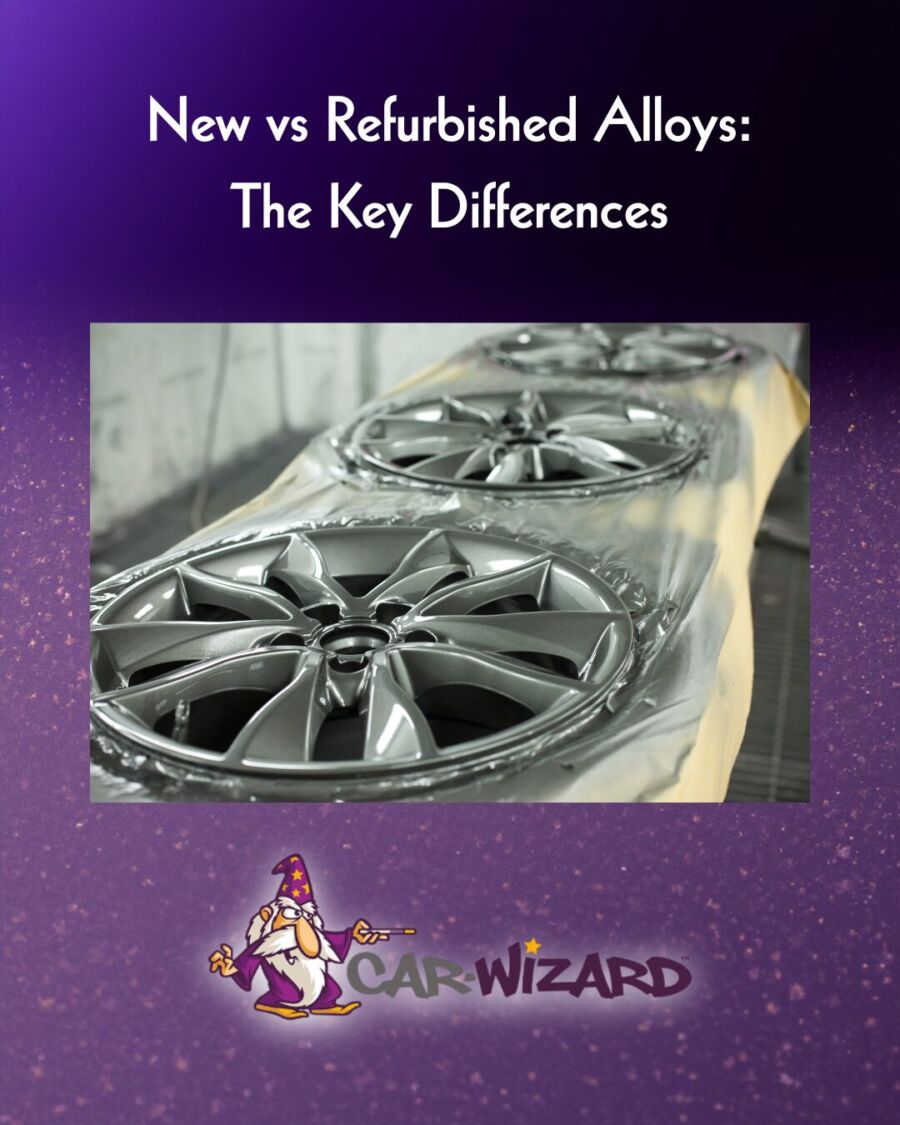
The Key Differences
New vs Refurbished Alloys: The Key Differences
Cost
One of the biggest differences is price.
The cost of refurbished alloy wheels UK-wide is usually significantly lower than buying new OEM replacements.
New alloy wheels can become particularly expensive for:
-
Premium brands
-
Performance vehicles
-
Diamond cut finishes
-
Larger wheel sizes
Professional refurbishment often allows drivers to restore the appearance of existing wheels for a fraction of replacement cost.
However, if a wheel is cracked, severely buckled, or structurally compromised, replacement may still be the safer choice.
Appearance
Modern alloy wheel refurbishment Bristol services can produce impressive visual results.
High-quality refurbishment can restore:
-
Colour consistency
-
Lacquer finish
-
Gloss or satin appearance
-
Kerb-damaged edges
-
Corrosion damage
This is especially true for:
-
Powder coated alloy wheels
-
Standard painted finishes
-
Minor cosmetic damage
Diamond cut alloy refurbishment can also restore machined finishes, although repeated diamond cutting may reduce the wheel’s lifespan over time due to material removal.
Safety
Safety should always come before appearance.
Minor cosmetic damage rarely affects wheel safety directly. However:
-
Cracks
-
Severe buckling
-
Deep structural damage
-
Repeated failed repairs
May require complete car alloy wheel replacement.
Professional inspection matters here. A reputable specialist should clearly explain whether refurbishment is safe or whether replacement is necessary.
The UK Government advises drivers to regularly inspect tyres and wheels for safety-related damage.
DVSA vehicle safety guidance
Environmental Impact
One often-overlooked advantage of refurbishment is sustainability.
Manufacturing new alloy wheels requires:
-
Raw material extraction
-
Energy-intensive production
-
Transport emissions
Refurbishing existing wheels helps reduce waste and extends product lifespan.
For environmentally conscious drivers, refurbishment can be the more sustainable choice when safe and appropriate.
The European Parliament has highlighted the importance of repair and reuse in reducing vehicle-related waste and emissions.
European Parliament circular economy guidance
When Refurbished Alloys Usually Make Sense
Refurbishment is often ideal when wheels have:
-
Kerb scuffs
-
Surface corrosion
-
Peeling lacquer
-
Brake dust staining
-
Minor cosmetic wear
-
Faded finishes
Drivers preparing:
-
Lease returns
-
Vehicle sales
-
Show cars
-
Long-term ownership vehicles
Often choose refurbishment to improve appearance affordably.
Professional alloy wheel repair Bristol services can also help maintain resale value by improving overall vehicle presentation.
When New Alloy Wheels Are Usually Better
Replacement may be the better option when:
-
Wheels are structurally cracked
-
Severe buckling exists
-
Corrosion is extensive
-
Previous repairs have failed
-
The wheel cannot hold air safely
-
The finish has been repeatedly machined
In some cases, especially with heavily damaged diamond cut wheels, replacement becomes more economical long term.
Drivers upgrading performance, aesthetics, or wheel size may also prefer completely new alloys.
A Situation Many Bristol Drivers Recognise
A Bristol driver recently noticed increasing corrosion and kerb damage on their Audi alloys after several winters of commuting and city parking.
Initially, they assumed full replacement was necessary after receiving a high quote for new OEM wheels.
However, after professional inspection, the wheels were found to be structurally sound. A full refurbishment process restored the finish, repaired cosmetic damage, and dramatically improved the vehicle’s appearance for far less than replacement cost.
The driver avoided unnecessary spending while keeping the original factory wheels.
Situations like this are common, particularly where damage is cosmetic rather than structural.

What Bristol Drivers Should Ask Before Choosing
Before deciding between new alloy wheels vs refurbished options, ask:
-
Is the damage cosmetic or structural?
-
Has the wheel been repaired before?
-
Is the wheel holding pressure properly?
-
Will refurbishment affect long-term durability?
-
What finish is currently on the wheel?
-
How long do you plan to keep the car?
A trustworthy specialist should inspect the wheel properly before recommending either route.
Understanding Diamond Cut Alloy Refurbishment
Diamond cut alloys require specialist machining to recreate the original factory finish.
They often look premium due to their polished metallic surface, but they can also be:
-
More vulnerable to corrosion
-
More expensive to refurbish
-
Less tolerant of repeated machining
Each refurbishment removes a small amount of metal from the wheel surface. Because of this, repeated diamond cut refurbishment has limits.
For some older wheels, switching to a powder-coated finish may provide better long-term durability.
Why Professional Refurbishment Quality Matters
Not all refurbishment work is equal.
Low-quality repairs may lead to:
-
Peeling lacquer
-
Poor colour matching
-
Premature corrosion
-
Inconsistent finish quality
Professional refurbishment should include:
-
Full stripping and preparation
-
Proper curing processes
-
Corrosion treatment
-
Clear explanation of limitations
-
Structural assessment
Choosing the best alloy wheel refurbishment service in Bristol is not simply about the cheapest quote. Long-term finish quality matters.
How CAR WIZARD Helps Bristol Drivers
CAR WIZARD supports Bristol car owners with professional alloy wheel services, including:
Rather than automatically recommending expensive replacement, the focus is on helping drivers understand the safest and most cost-effective option for their vehicle.
The Trade-Offs Drivers Should Know
Refurbishment is not always perfect for every situation.
Things to consider include:
-
Some finishes may not exactly match the factory appearance
-
Diamond cut wheels have refurbishment limits
-
Severe structural damage cannot safely be repaired cosmetically
-
Budget repairs may not last long
At the same time, brand-new alloys:
-
Cost substantially more
-
May still become damaged quickly in everyday driving
-
Can be unnecessary where damage is minor
The right decision depends on balancing:
-
Budget
-
Safety
-
Vehicle age
-
Ownership plans
-
Cosmetic expectations
Final Thoughts: Should You Choose New or Refurbished Alloys?
Refurbished alloys often represent the ideal middle ground for Bristol motorists, offering a cost-effective way to restore a vehicle’s aesthetic without the expense of new parts, provided the damage is purely surface-level.
That said, maintaining structural integrity is paramount. You should never commit to a repair without a thorough professional evaluation to determine if refurbishment is viable or if a full replacement is required for safety.
Crucially, drivers should avoid making snap judgments.
Replacement isn’t always the only answer for a scuffed wheel, yet refurbishment isn’t a universal fix for every type of damage.
By evaluating the specific benefits of new versus restored wheels, car owners can choose the path that best preserves their car’s visual appeal and its resale value over time.
If you’re debating which route is right for your car, consulting a qualified alloy specialist is the best way to prevent overspending while ensuring your vehicle remains completely road-legal and safe.
FAQs
Are refurbished alloy wheels worth it?
Yes, refurbished alloys are often worth it when damage is cosmetic rather than structural. They can restore appearance at a lower cost than replacement.
Is alloy wheel refurbishment safe?
Professional refurbishment is generally safe for cosmetic damage, but cracked or severely buckled wheels may require replacement.
How much does alloy wheel refurbishment cost in the UK?
Costs vary depending on wheel size, finish, and damage severity, but refurbishment is usually cheaper than buying new OEM alloys.
What is diamond cut alloy refurbishment?
Diamond cut refurbishment uses specialist machining to restore polished alloy wheel surfaces to a factory-style finish.
When should alloy wheels be replaced instead of repaired?
Replacement is recommended when wheels have structural cracks, severe corrosion, major buckling, or repeated previous repairs.