Refurbishing Your Alloy Wheels: Everything UK Car Owners Need to Know
For car owners in the United Kingdom, alloy wheels are more than just a stylish accessory, they are a vital part of your vehicle’s performance and safety.
Over time, alloy wheels can become scratched, kerbed, or corroded, which can affect both appearance and function.
If you’re asking, “Is alloy wheel refurbishment UK the right choice for me?”, this guide will give you everything you need to know.
Whether you’re considering cosmetic improvements or repairing structural damage, understanding how alloy wheel refurbishment works, the cost of alloy wheel refurbishment UK, and the difference between alloy wheel repair vs refurbishment is crucial.
Why Alloy Wheel Care Matters
Alloy wheels are lighter than steel, which improves fuel efficiency, handling, and braking performance.
However, these benefits come with responsibilities.
Common issues like scuffs, scratches, and corrosion not only affect the aesthetics but can also compromise wheel integrity over time.
Neglecting damaged alloys can lead to more expensive repairs or even safety hazards. Hence, timely refurbishment can extend the life of your wheels, protect your investment, and maintain your car’s resale value.
Common Advice: Just Replace Them
Traditionally, car owners hear advice along the lines of: “If your alloy wheels are damaged, just replace them.”
While this approach seems straightforward, it comes with several drawbacks:
- High cost: Replacing alloys can cost hundreds of pounds per wheel.
- Limited choice: Matching the exact OEM design or finish may be difficult.
- Environmental impact: Scrapping damaged alloys creates unnecessary waste.
Simply replacing wheels may solve immediate cosmetic concerns but it does not always provide the most practical or cost-effective solution.
Alloy Wheel Refurbishment: A Smarter Alternative
Refurbishing your alloy wheels is often a more sustainable, cost-effective, and visually appealing alternative.
This process restores wheels to near-original condition and can include:
- Repairing kerbs and scratches
- Repainting or powder coating
- Diamond cut alloy wheel refurbishment for a premium finish
How Alloy Wheel Refurbishment Works
- Inspection: Wheels are assessed for damage, including bends, cracks, and corrosion.
- Repair: Structural repairs like filling kerb damage or straightening bends are performed.
- Preparation: Wheels are cleaned, sanded, and primed for finishing.
- Refurbishment: The final finish is applied, paint, powder coat, or diamond-cut polish.
- Protection: A clear coat seals and protects the surface.
This process ensures wheels not only look like new but are safe to drive on.
Benefits of Refurbishing Alloy Wheels
Investing in alloy wheel refurbishment offers multiple benefits:
- Cost savings: Typically cheaper than replacing wheels entirely.
- Aesthetic restoration: Restores your car’s appearance to showroom condition.
- Sustainability: Reduces waste by reusing existing wheels.
- Value retention: Maintains resale and trade-in value.
Refurbishment is particularly appealing if you want diamond cut alloy wheel refurbishment, which gives a high-end, precision-machined finish popular in performance and luxury cars.
Common Alloy Wheel Damage to Watch For
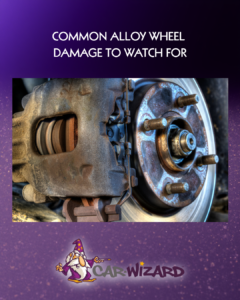
Understanding the types of damage helps you decide whether refurbishment is appropriate:
- Kerbing: Scratches and chips from curbs
- Scratches & scuffs: Surface marks from debris or tyre tools
- Corrosion: Oxidation due to weather and road salts
- Bends or cracks: Structural damage from potholes or accidents
Knowing the extent of damage is essential for accurate cost assessment and repair planning.
Cost of Alloy Wheel Refurbishment UK
The cost of alloy wheel refurbishment UK varies depending on:
- The type of finish (painted, powder-coated, diamond cut)
- The severity of damage
- Number of wheels to refurbish
On average:
- Standard refurbishment: £50–£100 per wheel
- Diamond cut or premium finishes: £120–£200 per wheel
Comparatively, full replacement can range from £200 to £500 per wheel, making refurbishment a more budget-friendly option.
Alloy Wheel Repair vs Refurbishment
It’s important to distinguish between repair and refurbishment:
- Repair: Focuses on restoring structural integrity or fixing minor cosmetic damage.
- Refurbishment: A complete process restoring both structure and appearance, often including repainting or finishing enhancements.
While repair alone may be sufficient for minor kerbs or scuffs, refurbishment is the most comprehensive option for a like-new look.
A Real-World Scenario
One Car Wizard customer brought in their Audi A4 with kerbed alloys after a series of tight city parking manoeuvres. They initially considered replacing the wheels entirely, but were concerned about costs.
After a professional assessment, Car Wizard performed a full alloy wheel refurbishment in the UK, including kerb repair, diamond cut polish, and clear coat protection.
The results: wheels looked brand new, the car retained its value, and the customer saved hundreds compared to replacement costs.
The outcome also avoided unnecessary environmental impact from discarding old alloys.
Trade-Offs and Considerations
While refurbishment is highly effective, there are situations where it may not be suitable:
- Severe cracks or structural compromise: Safety comes first; some wheels may still require replacement.
- Excessive corrosion: Extremely damaged alloys may not respond well to refurbishment.
- Custom or rare finishes: Certain bespoke designs may be difficult to replicate.
Consulting with professionals ensures that refurbishment is appropriate for your specific wheels.
Taking the Next Step
If your alloys show signs of damage or wear, consider the following steps:
- Inspect your wheels for scratches, kerbs, and corrosion.
- Seek a professional assessment to determine if refurbishment is possible.
- Compare the costs of repair vs replacement.
- Book a service with a trusted UK specialist like Car Wizard.
Car Wizard offers expert alloy wheel refurbishment services, with options for diamond cut, painted, and powder-coated finishes. Learn more about our services on the Car Wizard Services page or contact the team to get a quote today.
Overall, it’s down to you
For UK car owners, alloy wheel refurbishment is a practical, cost-effective, and environmentally responsible choice.
Whether repairing kerbs, refreshing the finish, or going for a premium diamond cut alloy wheel refurbishment, refurbishment restores appearance, retains value, and ensures your wheels are safe for the road.
If you’re considering your options, professional assessment and expert refurbishment are key to ensuring the best results for both aesthetics and performance.