
UK Car Body Modification Rules Explained
UK Car Body Modification Rules: UK Explained
Introduction
Car modifications are more popular than ever in the UK. From alloy wheel upgrades and body kits to tinted windows and performance styling, many drivers want their vehicle to feel more personal, modern, or unique.
But one question regularly confuses car owners:
What car body modifications are actually legal in the UK?
Many drivers assume cosmetic modifications are harmless as long as the car still “looks road legal”. In reality, UK vehicle modification rules can affect:
-
Insurance validity
-
MOT results
-
Road legality
-
Vehicle safety
-
Police enforcement
-
Resale value
For car owners in Bristol, understanding the rules around body modifications matters more than ever, especially as insurers and MOT standards continue to tighten.
In this guide, we’ll explain:
-
Which body modifications are legal in the UK
-
What modifications require insurer notification
-
Common mistakes car owners make
-
How modifications can affect MOTs and legality
-
Practical advice before upgrading your vehicle
-
How Car Wizard helps Bristol drivers modify vehicles professionally and safely
What Counts as a Car Body Modification?
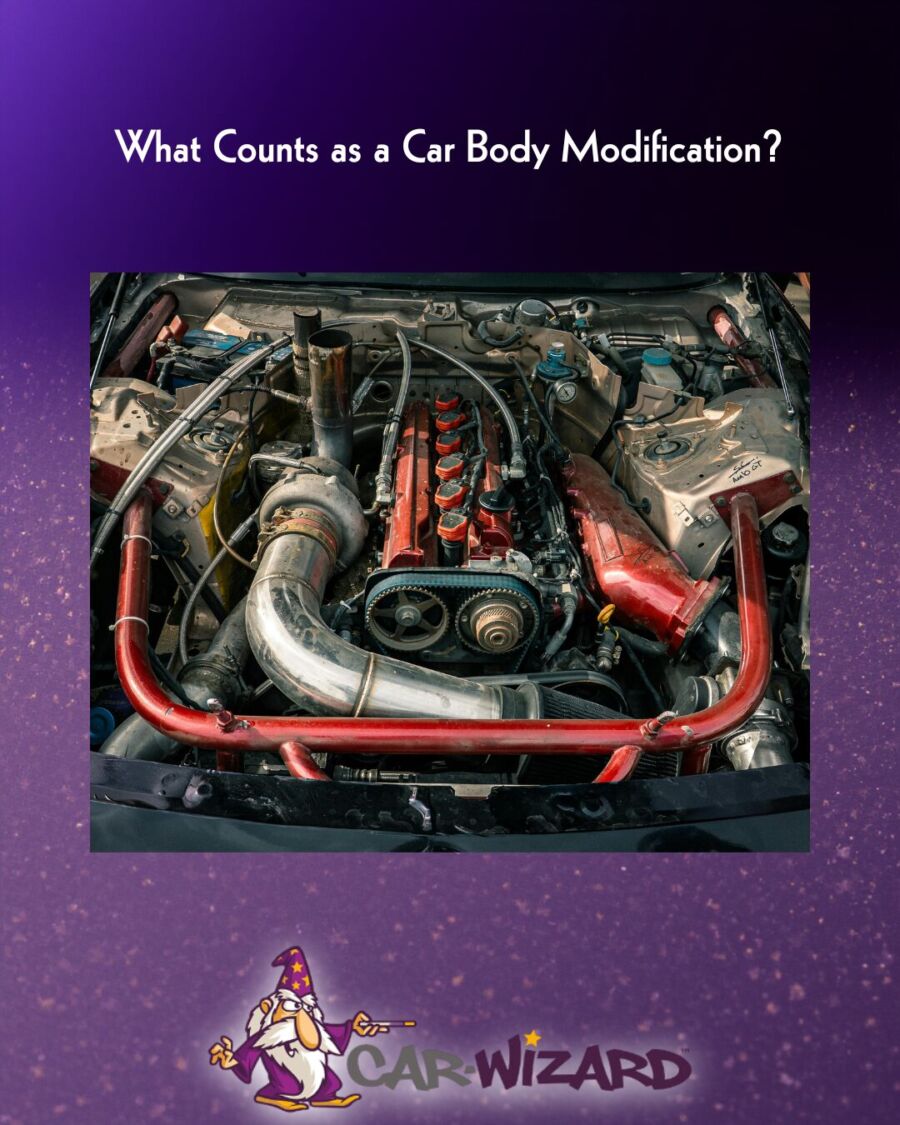
A car body modification is any visual or structural change made to the exterior or body of a vehicle beyond the manufacturer’s original specification.
Common examples include:
-
Body kits
-
Spoilers
-
Splitters
-
Alloy wheel upgrades
-
Lowering kits
-
Window tints
-
Vinyl wraps
-
Wide arches
-
Custom bumpers
-
Debadging
-
Bonnet vents
-
LED lighting upgrades
Some modifications are primarily cosmetic.
Others can affect:
-
Visibility
-
Pedestrian safety
-
Suspension geometry
-
Lighting compliance
-
Vehicle handling
-
Insurance risk ratings
That distinction is important because UK law focuses heavily on safety and roadworthiness rather than appearance alone.
Why Modification Rules Matter More in 2026
Many drivers still rely on outdated advice like:
“If it passes an MOT, it’s legal.”
Or:
“Cosmetic mods don’t matter to insurers.”
Neither statement is fully accurate anymore.
Modern insurers, police enforcement systems, and MOT standards are far stricter than they were a decade ago.
According to the GOV. UK MOT guidance and DVLA vehicle modification guidance state that certain modifications can require disclosure, inspection, or registration updates depending on their impact.
Failing to follow the rules can potentially lead to:
-
Invalid insurance
-
MOT failures
-
Vehicle prohibition notices
-
Fines
-
Increased premiums
-
Problems after accidents or claims
For most drivers, the goal should not simply be making a modified car “look good” — it should be ensuring modifications remain safe, insurable, and compliant.
Do You Need to Tell Your Insurance Company?
Usually, yes.
This is one of the biggest mistakes modified car owners make.
Even cosmetic upgrades can affect insurance risk calculations.
You should normally inform your insurer about:
-
Alloy wheel changes
-
Suspension modifications
-
Body kits
-
Wraps or colour changes
-
Window tinting
-
Performance upgrades
-
Lighting modifications
Some drivers avoid disclosure because they fear higher premiums.
However, failing to declare modifications could potentially invalidate your insurance policy if you later make a claim.
That risk is often far more expensive than any premium increase.
Are Body Kits and Exterior Styling Legal?
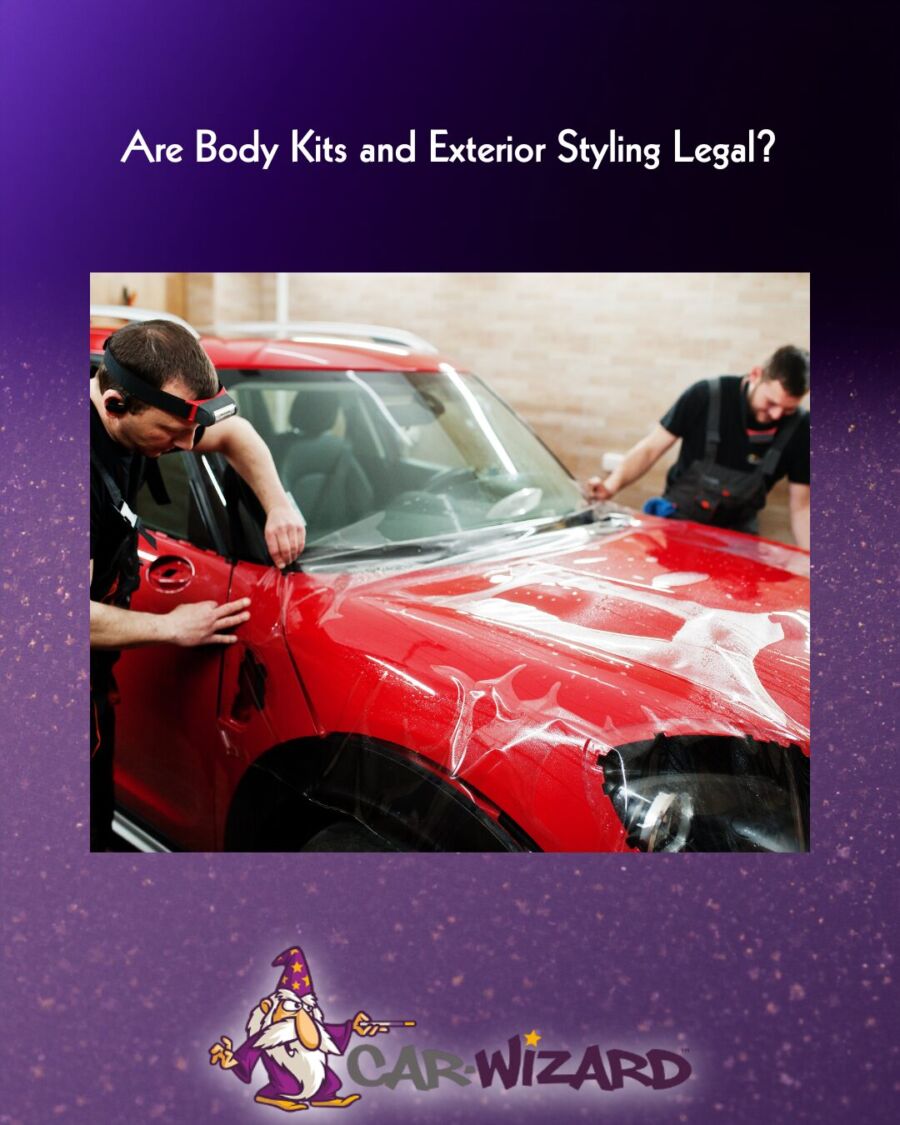
Generally, yes if fitted safely and correctly.
United Kingdom law does not ban body kits or styling modifications outright.
However, modifications must not:
-
Create sharp, dangerous edges
-
Obstruct visibility
-
Affect the number plate visibility
-
Interfere with lights
-
Create unsafe protrusions
-
Affect safe steering or suspension operation
Poorly fitted aftermarket parts are far more likely to create legal or MOT issues.
This is one reason many owners use experienced specialists like Car Wizard for professional installation and paintwork rather than attempting lower-quality DIY fitting.
Window Tint Rules in the UK
Window tints remain one of the most misunderstood modifications.
UK rules are strict regarding front visibility.
According to the GOV.UK guidance:
-
Front windscreens must let at least 75% of light through
-
Front side windows must allow at least 70% of light through
Rear windows can usually be darker.
If front tints exceed legal limits, drivers may face:
-
MOT failures
-
Police prohibition notices
-
Fines
-
Requests to remove tint film immediately
Factory privacy glass and aftermarket tinting are not always equivalent, which confuses many drivers.
Lowering Your Car: What Is Legal?
Lowering kits are legal in many cases, but problems occur when suspension changes negatively affect roadworthiness.
A lowered car must still:
-
Maintain safe suspension travel
-
Avoid tyre rubbing
-
Pass MOT standards
-
Keep wheels properly aligned
-
Maintain safe steering geometry
Extremely lowered vehicles may experience:
-
Uneven tyre wear
-
Suspension damage
-
Poor handling
-
MOT failures
-
Insurance complications
The safest approach is professional installation combined with proper wheel alignment and geometry setup.
Number Plate and Lighting Rules
Drivers often overlook how easily styling changes can become illegal.
Common illegal modifications include:
-
Tinted number plates
-
Incorrect plate spacing/fonts
-
Coloured headlights
-
Excessively bright LED conversions
-
Underglow lighting visible while driving
-
Smoked lights are reducing visibility
Lighting modifications are heavily regulated because they directly affect road safety.
Even small changes can create MOT or enforcement issues if visibility standards are compromised.
A Common Real-World Scenario
One Bristol driver upgraded their hatchback with aftermarket wheels, lowered suspension, rear tints, and a body kit bought online.
The car looked impressive initially.
However, several issues appeared quickly:
-
Poor panel fitment
-
Wheel rubbing
-
Increased tyre wear
-
Insurance complications
-
MOT advisory notices
Eventually, the owner invested in professional correction work and compliant upgrades.
After proper fitting, alignment, and refinishing, the car not only looked better but also became more reliable and easier to insure.
The lesson was simple:
Quality installation matters just as much as the modification itself.
Rather than asking:
“Can I get away with this?”
The better question is:
“Will this still be safe, insurable, and road legal long term?”
The strongest modifications usually balance:
-
Appearance
-
Practicality
-
Insurance compatibility
-
MOT compliance
-
Resale value
-
Daily drivability
In many cases, subtle high-quality upgrades outperform extreme modifications both financially and visually.
Modifications That Can Affect Resale Value
Not every modification increases desirability.
Some modifications can reduce resale appeal significantly, including:
-
Extreme body kits
-
Excessive lowering
-
Cheap wraps
-
Poor paintwork
-
Loud cosmetic styling
-
Heavily altered interiors
Buyers increasingly value:
-
Professional workmanship
-
OEM-style finishes
-
Quality paint matching
-
Reversible modifications
-
Full documentation
This is particularly true for premium or performance vehicles.
Why Professional Handiwork Is Vital
Selecting professional installation is essential, as substandard work on vehicle modifications frequently results in higher long-term expenses rather than added value.
By utilising a professional body shop, owners can significantly mitigate various risks, such as:
-
Inaccurate paint matching
-
Future corrosion or rust
-
Incorrect fitment and panel misalignment
-
Compromised vehicle safety
-
Complications with MOT testing or insurance claims
Located in Bristol, Car Wizard collaborates with motorists to provide styling upgrades, cosmetic repairs, and body modifications that prioritise both aesthetic excellence and road legality. Our expert services include:
-
Body kit installation and vehicle styling
-
Alloy wheel refurbishment
-
Paint correction and cosmetic bodywork
-
Panel repairs and insurance-approved work
Ultimately, opting for a professional finish is a strategic investment that safeguards the car’s market value while ensuring full compliance with UK regulations.
Key Considerations and Potential Drawbacks
Drivers must weigh the benefits of customisation against practical realities, as not every upgrade is suitable for every vehicle owner.
Before proceeding with modifications, consider the following factors:
-
Financial Impact: Certain upgrades can lead to significantly higher insurance premiums and may increase the frequency and cost of general maintenance.
-
Vehicle Protection: Specific enhancements can potentially void manufacturer warranties, leaving owners unprotected against certain mechanical issues.
-
Driving Experience: Highly aggressive suspension modifications often sacrifice ride comfort, making the car less suitable for daily commutes.
-
Future Value: Extensive modifications typically limit the pool of potential buyers, which may impact the car’s eventual resale value.
Ultimately, the most effective automotive projects are those that successfully balance aesthetic appeal with everyday usability.
Final thoughts
In the UK, many car body modifications are legally permissible provided the vehicle stays safe, meets roadworthiness standards, and is correctly reported to relevant authorities.
To prevent costly future complications, motorists in Bristol should be well-versed in the regulations governing:
-
Notifying insurance providers
-
Tinting of windows
-
Adjustments to suspension
-
Vehicle lighting
-
Installation of body kits
-
Adherence to MOT standards
Successful customisation focuses on enhancing a vehicle’s aesthetic while preserving its long-term functionality, legality, and overall reliability.
For those planning professional modifications, aesthetic enhancements, or paintwork upgrades, Car Wizard provides expert assistance to guarantee all work reaches the highest safety and professional standards.
FAQs
Are car body modifications legal in the UK?
Yes, many modifications are legal if they remain safe, roadworthy, and compliant with UK vehicle regulations.
Do I need to tell my insurer about cosmetic modifications?
Usually yes. Even cosmetic changes can affect insurance policies and should normally be declared.
Are tinted windows legal in the UK?
Front window tints have strict legal light transmission limits, while rear windows are generally less restricted.
Can lowering a car fail an MOT?
Yes. Excessive lowering that affects suspension safety, tyre clearance, or steering can cause MOT failures.
Do modifications increase insurance costs?
Some modifications can increase premiums depending on the insurer, vehicle type, and level of modification.